How to build a family recipe archive that preserves the stories
· Editorial team newsfromdallas24.com
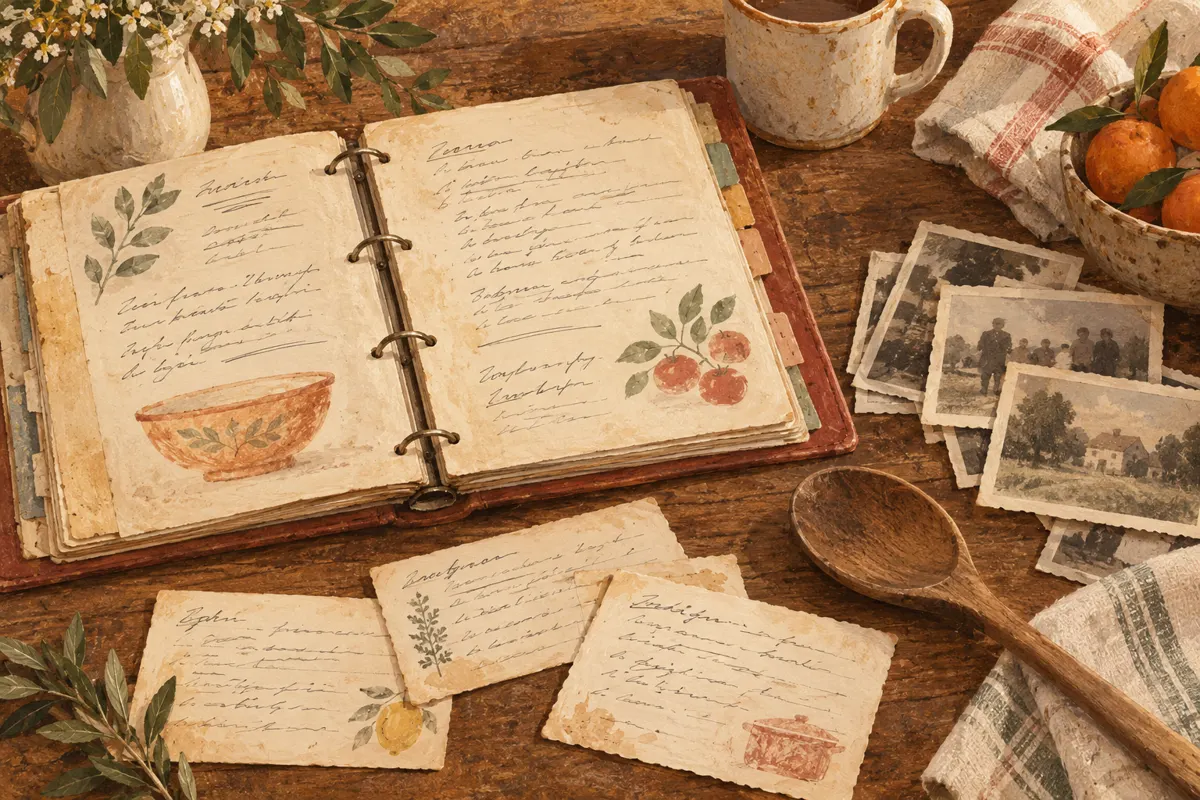
Build a family recipe archive by keeping each recipe’s original version alongside clear cooking instructions and the story of who made it. Use the same page template throughout, preserve differences between households, and keep copies relatives can access. Start with a small set of meaningful dishes; you can add more as people contribute.
Start with a manageable collection
Gather recipe cards, notebooks, magazine clippings, saved messages, and recipes people know by heart. For a first batch, we propose choosing five dishes that relatives still cook or remember fondly. A modest starting point makes it easier to finish usable pages instead of leaving a large pile partly sorted.
- Put the collected material in one place, keeping a note of who supplied each item.
- Photograph or scan both sides of handwritten cards, including notes in the margins.
- Give each dish a working title and list any missing ingredients, amounts, or instructions.
- Ask one relative to help fill the gaps in the first batch before expanding the collection.
Keep the original image even after typing the recipe. Handwriting, crossed-out quantities, and familiar annotations belong to the family record. Recipe books can bring those details together with photographs and memories, as the examples described by Pixorium illustrate.
Use one recipe-page template
A consistent layout helps another person cook from the archive. Everplans identifies the basic elements as a recipe name, ingredients, preparation instructions, and extra tips, with family history as an optional addition. For an archive centered on stories, we propose making the history field part of every page, even when it initially says “not yet recorded.”
- Names: original dish name, spelling and diacritics, plus a translation or familiar household nickname where useful.
- People and provenance: who cooked it, who contributed this version, and whether it came from memory, a card, a notebook, or a published recipe.
- Yield and equipment: how much it makes, pan size, and any equipment needed to understand the method.
- Ingredients: amounts, units, and preparation details such as chopped, drained, or softened.
- Method: numbered instructions with cooking temperatures, approximate times, and descriptions of readiness.
- Variations: substitutions or changes, labeled with the person or household that uses them.
- Story: the occasion, people, place, and memory associated with the dish.
- Record details: contributor, date recorded, unresolved questions, and the location of the original image.
Record the story in the cook’s own terms
Ask about one specific dish rather than requesting an entire family history. A short conversation about who stirred the pot, when the dish appeared, or how leftovers were served can give the recipe context. With the contributor’s permission, record the conversation or take notes, then let them check the finished account.
- What did your family call this dish, and who taught you to make it?
- Was it everyday food, a celebration dish, or something made for a particular person?
- Which ingredients or techniques changed when you moved or cooked in a different household?
- What detail would you want a younger relative to remember?
Attribute recollections clearly: “Elena remembers this being served on Sundays” leaves room for another relative’s different memory. Preserve distinctive expressions, but mark paraphrases as paraphrases. Ask before sharing personal stories or family photographs beyond the intended group.
Clarify the cooking and preserve variations
Treat unclear instructions as questions to resolve. If a card says “one glass” or “bake until done,” keep that wording in the transcription and add a separate clarification when someone can provide it. Leave unknown amounts visibly unresolved instead of silently guessing.
Cook alongside the contributor when possible, noting the vessel they use, approximate quantities, and cues such as texture or color. Label any measurements from that session as observations, with a date. If someone later cooks successfully from the written page, record their adjustments without replacing the original.
Keep household versions together under the same dish name. A variation note can identify who adds an ingredient, changes the shape, or uses a different cooking method. Separate full pages are useful when the differences would make one set of instructions confusing.
Make the archive easy to find and share
Choose a format relatives can open and maintain: a shared folder of documents, a printed binder, or both. Everplans recommends keeping a digital version even when recipes are handwritten or printed, and cautions against relying entirely on one recipe app.
Our proposed organization is simple: one folder for recipe pages, one for originals, and an index listing dish names, alternate names, and contributors. Keep a separate backup copy. Name a family contact who can add contributions, retain earlier versions, and update the index so the next generation can find both dinner instructions and the stories behind them.