How to plan a food-focused day trip without overpacking the itinerary
· Editorial team newsfromdallas24.com
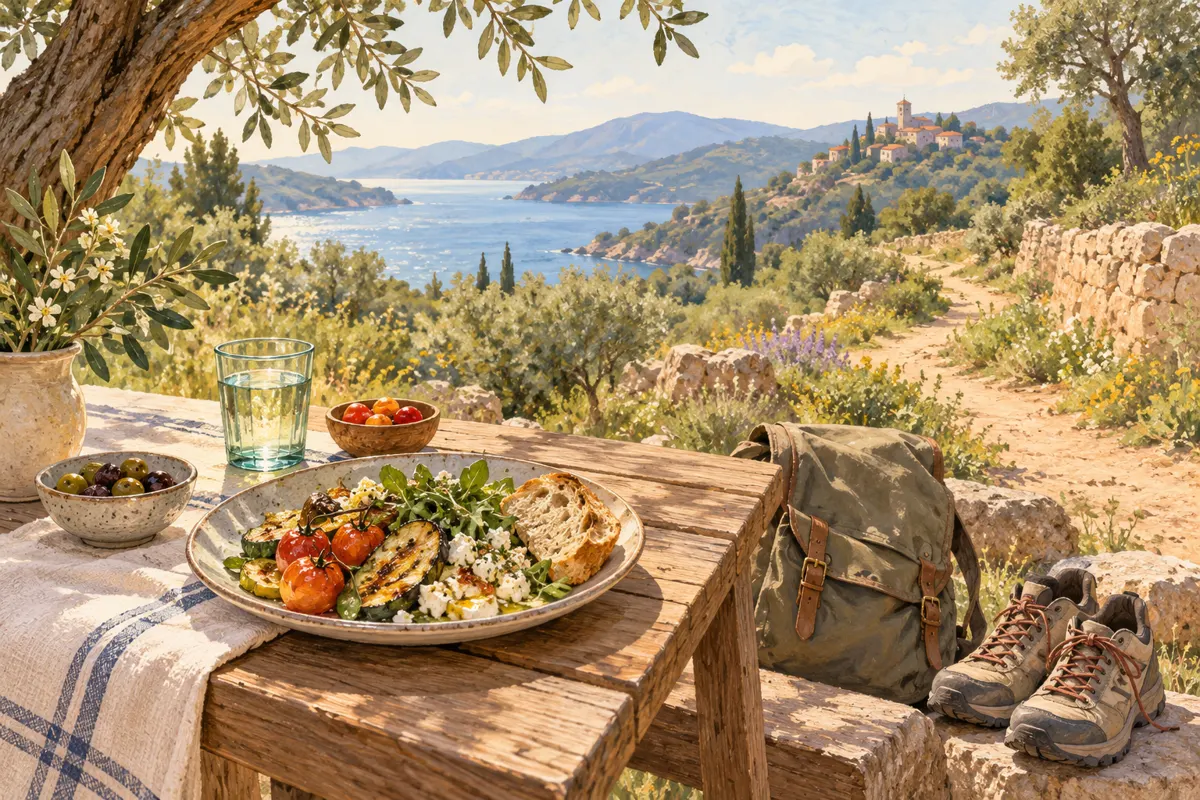
Plan a food-focused day trip around one main food stop, then add a nearby activity and an optional snack. Check service hours before leaving, allow time for travel and waiting, and keep a backup in the same area. The aim is to enjoy the meal you came for without spending the day racing toward the next reservation.
Choose the meal that gives the trip a purpose
Start with one experience you would be happy to build the day around: a leisurely lunch, a market visit with something to eat, or a cooking class. Ask everyone traveling with you what matters most. A particular dish, dietary needs, and a comfortable place to sit are more useful planning criteria than a long collection of places that look appealing.
Seasonal ingredients can also give the outing a focus. The supplied culinary travel source suggests considering what grows locally and what is in season. Use that as a starting point, then check what your chosen destination actually offers rather than assuming a seasonal dish will be available.
- Choose the main food experience and a preferred arrival window.
- Confirm that the menu or activity suits everyone in the group.
- Decide whether you need a reservation or advance booking.
- Set a spending limit that includes transport, food, and optional purchases.
Keep the rest of the day close by
Once you have the main stop, look for one nearby activity that does not require another meal: a park, a short walk, a gallery, or a browse through local shops. Check the actual route between stops. Places that appear close on a map may involve awkward crossings, parking changes, or a longer journey than expected.
Compare the whole journey, including the trip home. If an extra stop adds a substantial detour, keep it for another outing. A useful editorial proposal is to make the main meal and one nearby activity the core itinerary, with everything else optional. This gives the day enough shape while leaving room to linger.
For a Dallas-area outing, apply the same approach to the neighborhood or destination you choose. Build around a manageable cluster instead of trying to connect every saved food idea in a single day.
Check the hours that affect your meal
Opening hours alone may not answer the important question: can you get the food you want when you arrive? Check the venue’s own information for meal service times, kitchen closing times, booking requirements, and any stated limits on availability. If something is unclear and essential to the trip, contact the venue before setting out.
- Confirm the main stop’s service window for your intended day.
- Work backward from your preferred arrival time to allow for travel and parking or transit connections.
- Allow room for ordering, waiting, and eating without watching the clock.
- Check whether the nearby activity fits before or after the meal.
- Save the address, booking details, and return route somewhere easy to access.
Leave breathing room between food stops
Several full meals can turn an enjoyable outing into a sequence of obligations. Give the main meal room to be satisfying, and decide on a later snack when you know how hungry you are. Walking or browsing between stops creates a natural break without requiring another purchase.
As an editorial proposal, a simple day could unfold like this: arrive and take a short look around, enjoy the main meal, spend time at one nearby activity, then choose whether to stop for a small treat before heading home. Avoid attaching a fixed time to every stage unless a booking requires it.
Pack for those gaps: water, weather-appropriate clothing, comfortable shoes, necessary medication, and a way to keep your phone charged. A small backup snack can be useful if travel takes longer than planned. Leave extra bags and equipment at home unless they serve a specific purpose.
Prepare one backup and know what to drop
Choose one alternative food stop near the original destination and check its hours too. It should meet the same essential needs, including dietary requirements and your spending limit. Keep it as a replacement, rather than adding it to the list of places you must visit.
Agree on a few decisions before leaving: how long you are willing to wait, which optional stop goes first if you run late, and when you want to start home. If the main meal takes longer than expected, shorten the afternoon instead of squeezing everything into the remaining time. A successful food trip can be one memorable meal and an unhurried afternoon.