How to reduce single-use waste at a bring-a-dish gathering
· Editorial team newsfromdallas24.com
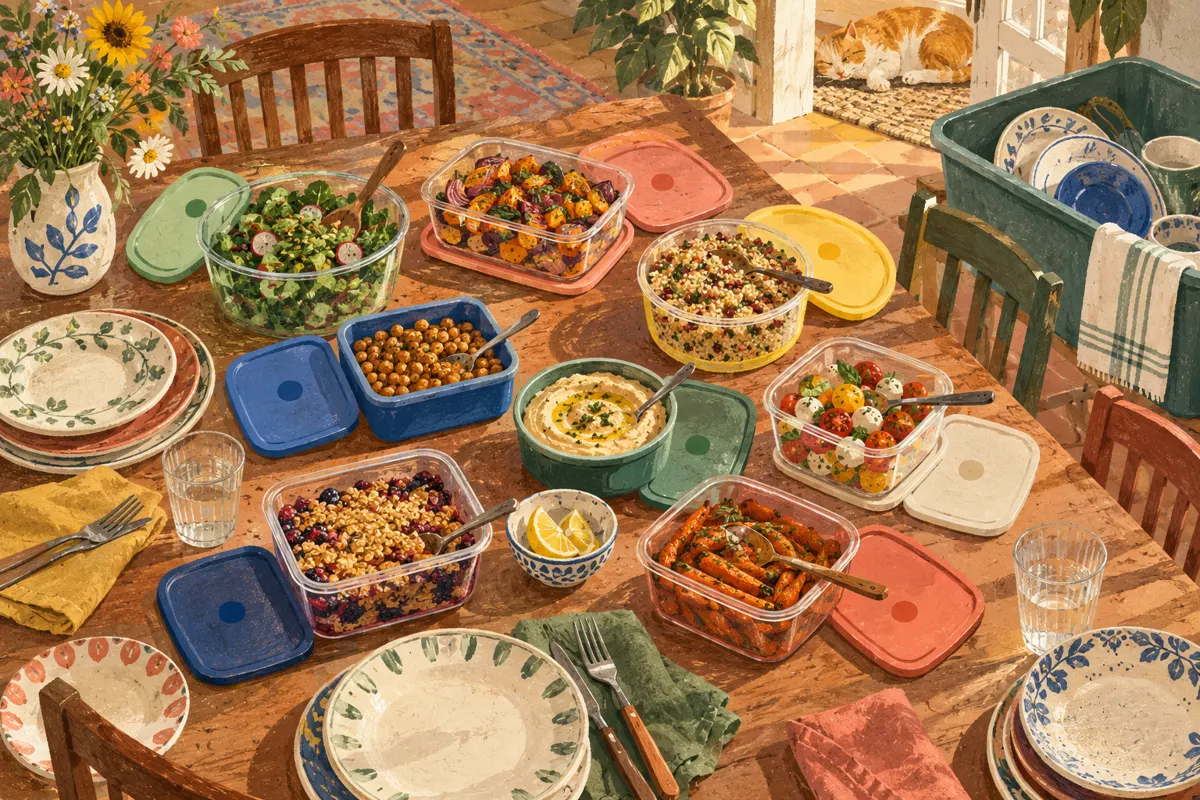
Ask guests to bring food in reusable containers with lids and serving utensils, label everything for its return, and arrange washable plates, cups, and cutlery before people arrive. A visible dish-return area and an agreed washing plan make those choices easier to carry through. The proposed routine below combines reusable-serving advice from the supplied sources with practical guest coordination.
Send one practical message before the gathering
Put the request in the invitation or the existing group conversation. Guests need to know whether you are supplying place settings, whether they should bring their own, and what should accompany their dish. Saint Louis City Recycles recommends checking how food will be served and bringing reusable dishes when disposables would otherwise be used.
Suggested invitation wording: Please bring your dish in a reusable container, with its lid and a serving spoon or other suitable utensil. Label the container, lid, and utensil with your name. We will provide washable plates and cutlery; please bring a refillable cup or bottle. Let me know if you need help with any of these.
Adjust that message to match what you can actually supply. If guests are bringing place settings, say so explicitly and keep a few spares for someone who forgets. BV Trash Valet & Recycling recommends personal bottles or reusable cups from home. A clear arrangement avoids several guests independently arriving with packs of disposable cups.
Give every container a route home
Reusable containers work best when they leave with their owners. Our proposed return system is simple: put the same name on the base and lid, label serving utensils too, and reserve one spot for lids while food is on the table. Choose labels that stay readable during the gathering and can be removed afterward.
- Check that each dish has a serving utensil.
- Keep its lid in the designated lid area.
- Add an owner label if one is missing.
- Tell the owner where to retrieve the container before leaving.
Where practical, serve from the container that carried the food. The picnic guidance recommends reusable food containers, and the Earthling's Handbook describes transporting and serving a dip in the same reused container. Avoid transferring every dish to a decorative platter unless there is a useful reason: each transfer adds another item to collect and wash.
Count place settings before buying supplies
Start with the expected guest count and the dishes already available. Count plates, cups, forks, and any bowls or spoons the menu requires. Then fill specific gaps by asking willing guests to lend items or bring their own sets. Mixed plates are perfectly usable; matching them is not necessary for this plan.
Include napkins and drink service in that count. Saint Louis City Recycles recommends cloth napkins and reusable utensils, and notes that paper towels and napkins are not recyclable. Put washable napkins beside the plates and provide a separate collection spot for used cloths.
For this proposed setup, keep a refill point easy to find and encourage guests to keep track of their own cup. If washing capacity is limited, ask each guest to take their personal place setting home for washing. Decide that before the party so the host is not left with an unexpected stack of dishes.
Make cleanup easy to understand
Set up the return area before serving begins. The Earthling's Handbook describes placing a dirty-dish cart near food and drink tables and assigning someone to operate the dishwasher. That account offers a useful example of pairing reusable dishes with a collection point and someone responsible for washing.
- Place a stable tray or tub for used dishes near the dining area, clear of the serving line.
- Provide a separate basket for used cloth napkins.
- Mark trash and recycling clearly, using instructions that match the actual collection service.
- Tell guests where to place dishes when they finish.
- Assign one willing helper to manage collection and another to wash or load the dishwasher.
Check recycling arrangements instead of relying on packaging claims. Saint Louis City Recycles recommends locating collection bins and improving signs when sorting is confusing. For a Dallas gathering, the supplied sources do not establish which materials your destination accepts. If someone takes recyclables home, agree on that person and destination beforehand. Add a compost collection only when an actual receiving option and its acceptance rules are known.
Finish with a container check
Before each guest leaves, reunite the container, lid, and serving utensil. In this proposed system, owners take their own items home, while borrowed place settings stay in a separate return area. If something remains behind, its label makes arranging collection straightforward.
Ask anyone interested in taking leftovers to bring an additional clean reusable container. This is a packaging proposal, not guidance on whether particular leftovers are safe to keep. Container availability should never be the reason to retain food whose handling or storage is uncertain.
After cleanup, note the one supply that ran short or the instruction guests missed. Use that observation to improve the next invitation. The aim is a repeatable gathering where serving, eating, washing, and returning containers have clear owners.
Questions and answers
What if a guest brings food in disposable packaging?
Serve it as appropriate and keep the gathering welcoming. Follow the actual collection rules for the packaging afterward. For the next event, offer a spare reusable container or make the invitation request clearer.
Can this work without a dishwasher?
Yes, if you arrange handwashing or ask guests to take their own dishes home to wash. Confirm the plan beforehand and limit borrowed dishes to what you can collect and return.