How to turn saved recipe links into a searchable digital cooking list
· Editorial team newsfromdallas24.com
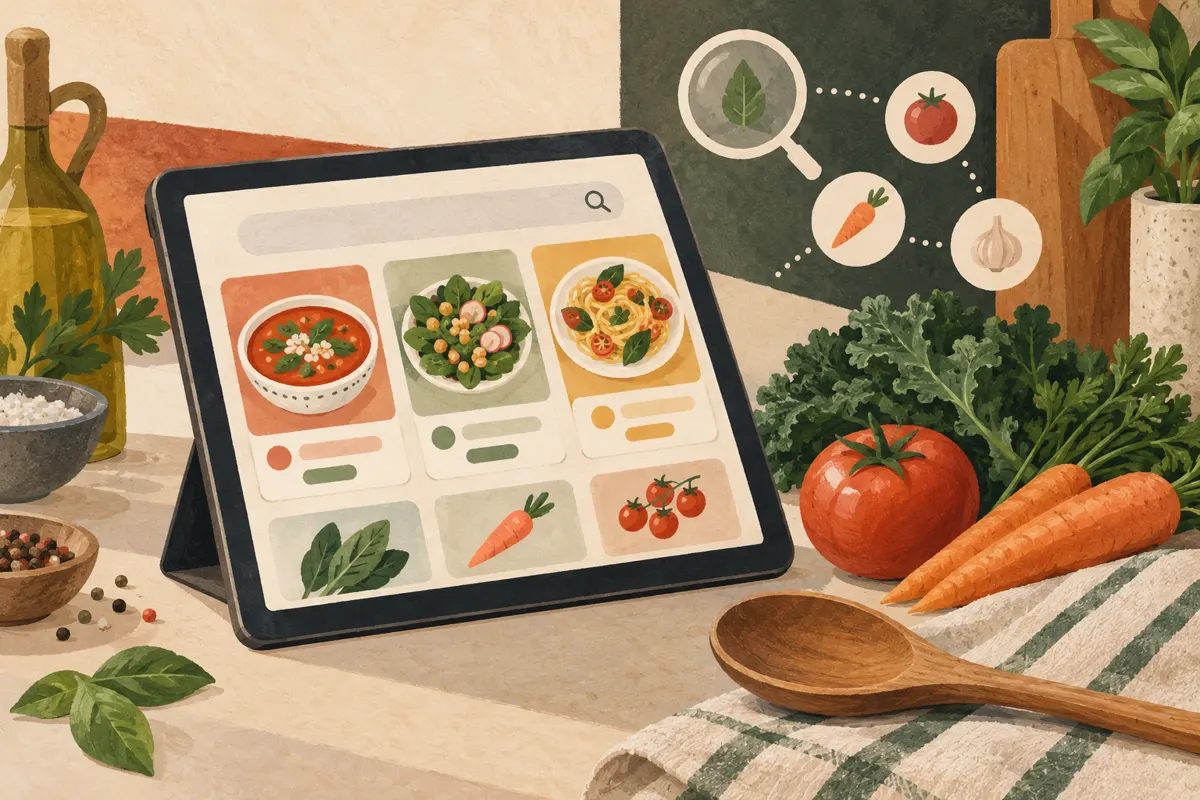
Put your saved recipe links in one searchable place, give each recipe a clear title, and add a few ingredient keywords and cooking notes. Start with meals you actually want to cook. The goal is a list you can search when you have chicken, beans, or leftover rice to use—not a project to catalog every recipe you have ever seen.
Choose one place to keep your cooking list
A notes app, spreadsheet, or recipe organizer can be your main collection. Choose based on how you want to retrieve recipes: searching text, filtering rows, or browsing recipe cards. Before moving everything, add a few links and check that you can find and open them on the device you use in the kitchen.
A dedicated organizer may reduce manual entry. Recipe Keeper, for example, describes website importing and searching by recipe name, ingredient, or directions. If you prefer an existing notes app or spreadsheet, you can build a useful list by recording the details you need beside each link.
The structure below is an editorial proposal for everyday cooking. Adapt it to your meals and the search features your chosen tool supports.
Gather the links you are likely to use
Check browser bookmarks, saved social posts, message threads, and existing notes. Bring over familiar favorites and recipes you realistically want to try. You can leave the rest where they are until you need them; your first pass does not have to be a complete inventory.
- Create a temporary inbox for unsorted recipe links.
- Open each link to confirm that it reaches the recipe you intended to save.
- Keep one entry for duplicate links. Keep different versions separately if you want to compare them.
- Move useful entries into your cooking list and remove links you no longer want.
Keep the original source URL even when an app imports the recipe. Compare imported ingredients, quantities, and directions with the original before relying on the saved version. A bookmark alone still depends on the source page being available.
Use clear titles and a repeatable entry format
Name recipes with words you would type when hungry. A title such as “Chickpea and spinach skillet” gives you more useful search terms than “Amazing dinner idea.” Keep a distinguishing detail when needed, such as lemon, oven-baked, or one-pot.
- Title: a plain description of the dish.
- Source: the recipe link and, optionally, the site name.
- Ingredients: a few main ingredients you might search for.
- Category: one broad folder or grouping.
- Status: to try, cooked, or favorite.
- Notes: useful details from reading or cooking the recipe.
In a spreadsheet, make these separate columns. In a notes app, repeat the same labels within each note. You do not need to transcribe every ingredient to make a link searchable, but include the ingredients that would help you choose it.
Keep folders broad and ingredient tags consistent
Start with a few categories, such as dinners, breakfasts and lunches, sides, and baking. Use ingredient tags for details that cross those categories. A bean salad and a bean soup can then appear in the same ingredient search without sharing a folder.
Choose consistent terms: use “chickpea” throughout instead of switching between “chickpeas” and “garbanzo beans.” Add an alternate name if that is how you sometimes search. Avoid attaching every possible label; a handful of meaningful keywords is easier to maintain.
Try a realistic search, such as “spinach” or “chicken.” Check whether your tool searches note contents, tags, or titles only. If combined terms do not work, search one ingredient first and browse the results.
Add cooking notes and clear the inbox regularly
After cooking, record something that will help next time: a substitution you used, equipment you needed, or whether the dish suited your taste. Make personal observations explicit. “I preferred extra lemon” is more useful than silently changing the original recipe.
- Give new links clear titles and ingredient keywords.
- Update the status of recipes you have cooked.
- Remove duplicates and recipes you no longer want.
- Review the to-try list before saving more ideas.
Keep maintenance small enough to do while choosing meals. When you can find a suitable dish, open its source, and see your own notes without hunting through several apps, the list is doing its job.